


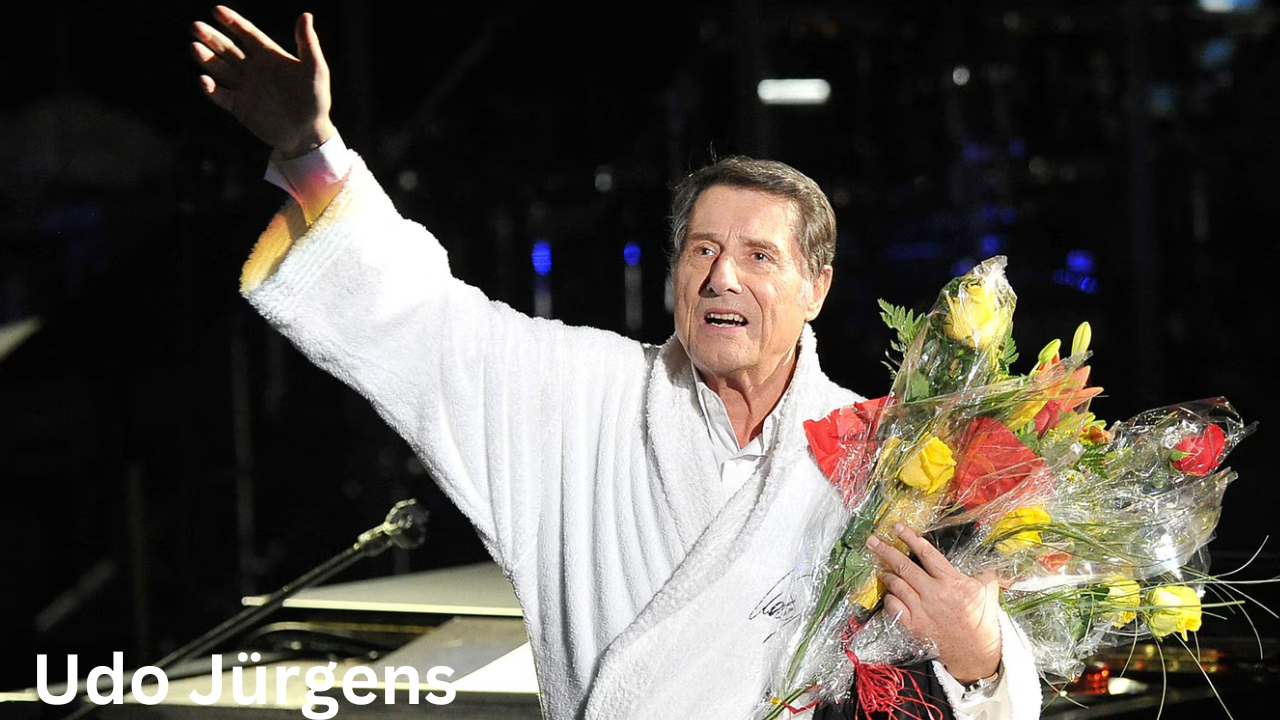
Few European entertainers have achieved the level of admiration and longevity that Udo Jürgens enjoyed throughout his remarkable career. Known for his emotional songwriting, unforgettable melodies, and charismatic stage presence, he became one of the most successful German-speaking artists in music history. His songs crossed generations, cultural borders, and musical trends while remaining deeply personal and relatable.
For decades, audiences across Europe embraced Udo Jürgens not only as a singer but also as a storyteller. His music explored love, society, aging, dreams, family, politics, and everyday life. Whether performing grand orchestral ballads or intimate piano-based songs, he had a unique ability to connect with listeners on an emotional level.
The influence of Udo Jürgens extended far beyond Austria and Germany. He sold millions of records, performed countless concerts, and inspired many artists who followed him. His timeless catalog continues to resonate today because his themes remain universal. Even younger audiences who discover his music decades later often find themselves captivated by the honesty and sophistication in his songwriting.
One reason why Udo Jürgens remains relevant is the balance he maintained between entertainment and artistic depth. He created songs that were commercially successful without sacrificing lyrical meaning. His music felt elegant yet accessible, emotional yet intelligent. That rare combination helped him build one of the most loyal fan bases in European music history.
Early Life and Childhood of Udo Jürgens
Udo Jürgens was born on September 30, 1934, in Klagenfurt, Austria. His birth name was Jürgen Udo Bockelmann. Growing up during a complicated period in European history shaped much of his worldview and artistic sensitivity. His family background exposed him to culture, discipline, and education from an early age.
Music entered his life naturally during childhood. He began learning piano at a young age and quickly showed exceptional musical talent. Unlike many performers who rely heavily on stage charisma alone, Udo Jürgens possessed strong technical musical abilities. He could compose, arrange, and perform with equal confidence, which later became one of his defining strengths.
As a young man, he developed an interest in jazz, classical music, and contemporary popular songs. Those influences blended together in his later work, giving his compositions a distinctive sound. His musical sophistication separated him from many entertainers of his era because he combined meaningful lyrics with rich melodies and elegant arrangements.
Even before becoming famous, Udo Jürgens demonstrated determination and ambition. He participated in talent competitions and continued refining his craft. Early setbacks never discouraged him. Instead, they motivated him to improve his songwriting and performance abilities, laying the foundation for a historic career.
The Breakthrough That Changed Everything
The rise of Udo Jürgens did not happen overnight. Like many great artists, he spent years developing his style before achieving mainstream recognition. His persistence eventually paid off when his compositions started gaining attention within the European music industry.
One of the major turning points came through songwriting competitions and television appearances. During the mid-20th century, televised music events played a huge role in shaping public recognition. Udo Jürgens understood how to use these platforms effectively while staying authentic to his artistic identity.
His breakthrough became truly international after his involvement with the Eurovision Song Contest. He represented Austria multiple times before finally winning in 1966 with the legendary song “Merci, Chérie.” The victory transformed him into a continental superstar almost instantly.
“Merci, Chérie” showcased everything that made Udo Jürgens special. The song was emotional without being overly dramatic, romantic without sounding artificial, and melodically memorable without becoming simplistic. Audiences connected deeply with the sincerity of the performance.
The success of that Eurovision victory opened doors across Europe. Concert invitations, television appearances, recording opportunities, and international tours followed rapidly. From that moment onward, Udo Jürgens became one of the defining voices of European popular music.
Udo Jürgens and Eurovision History
The relationship between Udo Jürgens and the Eurovision Song Contest remains one of the most celebrated stories in Eurovision history. Before winning the competition, he had already participated twice for Austria, demonstrating persistence and resilience.
Many artists would have become discouraged after failing to secure first place in earlier attempts. Udo Jürgens, however, continued improving his material and refining his performances. That determination eventually led to one of the most iconic Eurovision victories ever.
His winning performance of “Merci, Chérie” became a milestone for Austria. The song featured elegant orchestration, emotional depth, and polished stage presence. Unlike flashy performances designed purely for spectacle, Udo Jürgens focused on musical authenticity and emotional communication.
Even decades later, Eurovision fans continue discussing his contribution to the competition. His victory represented a moment when sophisticated songwriting triumphed on an international stage. Many modern Eurovision performers still cite him as an inspiration because he proved that meaningful music could also achieve massive popularity.
The impact of Udo Jürgens on Eurovision culture extends beyond his own participation. His success helped elevate Austria’s reputation within the competition and encouraged future generations of artists to pursue international careers.
Songwriting Style and Musical Identity
One of the most impressive aspects of Udo Jürgens was his songwriting ability. He did not simply perform songs written by others. Instead, he crafted music that reflected his own observations, emotions, and philosophies.
His compositions often explored themes that many pop artists avoided. He sang about loneliness, aging, social inequality, family struggles, and political concerns alongside traditional romantic topics. That depth gave his catalog unusual emotional richness.
Musically, Udo Jürgens combined elements of pop, chanson, jazz, orchestral music, and cabaret. His piano playing became a signature feature of his performances. Audiences admired the sophistication of his arrangements because they felt timeless rather than trend-driven.
Another key characteristic of his music was lyrical honesty. He wrote with emotional intelligence and maturity, allowing listeners of different generations to relate to his songs. Younger listeners appreciated the beauty of the melodies, while older audiences often connected with the reflective nature of the lyrics.
His ability to balance commercial success with artistic integrity remains one of the reasons why critics and fans continue respecting his work today. Udo Jürgens created songs that entertained millions without losing emotional authenticity.
Most Famous Songs by Udo Jürgens
Throughout his long career, Udo Jürgens released numerous songs that became classics across Europe. Many of these tracks remain widely recognized today and continue appearing in radio playlists, tribute concerts, and musical productions.
Among his most famous songs is “Griechischer Wein,” a deeply emotional piece about immigrant workers and homesickness. The song resonated strongly with audiences because it addressed social realities while maintaining musical warmth and accessibility.
Another iconic composition is “Ich war noch niemals in New York.” The song captures the universal desire for freedom, adventure, and escape from routine. Its enduring popularity later inspired a successful stage musical, proving the timeless appeal of his songwriting.
“Mit 66 Jahren” became an anthem about aging with optimism and energy. Rather than presenting old age negatively, Udo Jürgens celebrated life experience and continued vitality. The song remains beloved among listeners of all ages.
Of course, “Merci, Chérie” continues holding a special place in his legacy due to its Eurovision triumph and emotional beauty. The track helped establish his international reputation and remains one of the defining songs of his career.
Concerts and Stage Presence
Watching Udo Jürgens live was an unforgettable experience for many fans. He possessed a rare stage presence that combined elegance, humor, intelligence, and emotional sincerity.
Unlike performers who relied heavily on elaborate choreography or visual effects, Udo Jürgens focused primarily on musical connection. Sitting at the piano, he could command enormous concert halls through charisma and authenticity alone.
His concerts often lasted several hours because audiences wanted more than just music. They wanted storytelling, conversation, emotional reflection, and shared memories. He understood how to create intimacy even in massive venues.
Another reason for his legendary live reputation was consistency. Over decades of touring, he maintained high musical standards and professional discipline. Fans trusted that every concert would deliver genuine quality and emotional engagement.
Even late in life, Udo Jürgens continued performing energetically. His commitment to live music demonstrated his passion for connecting directly with audiences rather than relying solely on recordings or media appearances.
Influence on German-Speaking Music
Udo Jürgens had a profound influence on German-language music. He helped redefine what popular music in German could sound like by combining sophistication with accessibility.
Before his rise, some critics considered German-language pop less commercially appealing than English-language music. Udo Jürgens challenged that assumption by proving that German songs could achieve international success while maintaining artistic quality.
Many later artists adopted elements of his style, including piano-centered performances, emotionally intelligent lyrics, and orchestral arrangements. His impact can still be heard in contemporary European pop and chanson traditions.
Beyond music, he also influenced cultural attitudes toward songwriting. He showed that mainstream audiences were willing to embrace thoughtful lyrics addressing real-life topics rather than purely superficial entertainment.
His legacy continues through tribute performances, documentaries, musicals, and new generations discovering his catalog through streaming platforms and classic recordings.
Personal Life and Family
Although Udo Jürgens was widely recognized as a public figure, he also valued aspects of private life. Balancing international fame with personal responsibilities was not always easy, especially during decades of touring and recording.
He experienced relationships, family responsibilities, and personal challenges while managing an intense career schedule. Many of these experiences influenced his songwriting, adding emotional realism to his music.
Fans often appreciated the honesty with which he approached personal themes. Rather than presenting himself as a flawless celebrity, Udo Jürgens appeared relatable and human. That authenticity strengthened the emotional bond between him and his audience.
His children and family members occasionally appeared in public discussions about his legacy, helping preserve his memory after his passing. The respect and admiration shown toward him by those closest to him further reflected his personal warmth and integrity.
Awards and Career Achievements
The career achievements of Udo Jürgens are extraordinary by any standard. Over several decades, he received countless awards recognizing his contribution to music and entertainment.
He sold millions of albums worldwide and performed for enormous audiences across Europe. Few German-speaking artists achieved comparable commercial success while maintaining such strong critical respect.
His Eurovision victory remains one of his most famous achievements, but it represented only one chapter in a much larger career. He earned honors for songwriting, performance, lifetime achievement, and cultural contribution.
Many institutions and media organizations celebrated him not only as an entertainer but also as an important cultural figure. His songs became part of everyday European life, appearing at celebrations, concerts, television programs, and public events.
The longevity of his success is especially impressive. While many artists struggle to remain relevant after a few years, Udo Jürgens maintained popularity across multiple generations and changing musical trends.
Cultural Impact Beyond Music
The influence of Udo Jürgens extended far beyond the music industry. His songs became cultural touchstones across German-speaking Europe and beyond.
Several of his compositions inspired stage musicals, television tributes, and documentary projects. “Ich war noch niemals in New York,” for example, evolved into a successful musical production that introduced his music to younger audiences.
His songs frequently addressed social themes with empathy and intelligence. Whether discussing immigration, loneliness, or generational change, he encouraged listeners to think more deeply about society.
Another reason for his lasting cultural impact is the emotional comfort his music provided. Many fans associate his songs with important life moments, including family gatherings, celebrations, romances, and personal reflections.
Even after his passing, tribute concerts and anniversary celebrations continue attracting audiences. His work remains woven into European cultural memory in a way few entertainers achieve.
The Death of Udo Jürgens and Public Reaction
The passing of Udo Jürgens in December 2014 shocked fans throughout Europe. He died unexpectedly at the age of 80 while taking a walk in Switzerland.
News of his death triggered widespread emotional reactions from fans, fellow musicians, politicians, and media organizations. Many people felt they had lost not just an entertainer but also a meaningful voice that had accompanied them throughout different stages of life.
Tributes poured in from across Europe. Television stations aired special programs celebrating his career, while radio stations played his most beloved songs continuously. Fans gathered publicly to honor his memory and reflect on his contribution to music.
What became especially clear after his passing was the enormous emotional connection audiences felt toward him. His music had become part of personal and collective memory for millions of people.
Although his death marked the end of an era, his artistic legacy remains vibrant. New listeners continue discovering his songs, ensuring that the influence of Udo Jürgens will continue for many years.
Why Younger Generations Still Discover Udo Jürgens
One fascinating aspect of Udo Jürgens is his continuing relevance among younger audiences. In an era dominated by digital trends and rapidly changing musical styles, his songs still find new listeners.
Part of this appeal comes from timeless songwriting. Human emotions such as love, regret, hope, freedom, and nostalgia never disappear, and Udo Jürgens explored these themes beautifully.
Streaming platforms and social media have also helped introduce his music to younger generations who may never have seen him perform live. Clips from concerts and interviews continue circulating online, attracting curiosity and admiration.
Younger musicians sometimes reference him as an influence because of his authenticity and songwriting craftsmanship. In a modern industry often focused heavily on short-term trends, his career represents artistic longevity and emotional sincerity.
Many listeners also appreciate the sophistication of his compositions. Even decades later, the arrangements and melodies still sound elegant and emotionally powerful.
The Lasting Legacy of Udo Jürgens
The legacy of Udo Jürgens cannot be measured only through sales figures or awards. His true impact lies in the emotional connection he built with millions of listeners across generations.
He demonstrated that popular music could be intelligent, heartfelt, and socially aware while still achieving commercial success. His career challenged assumptions about what mainstream audiences wanted from entertainment.
Many artists come and go with changing trends, but Udo Jürgens created work that transcended specific eras. His songs remain meaningful because they address universal experiences and emotions.
His influence continues through recordings, documentaries, musicals, tribute concerts, and cultural discussions about European music history. Fans still gather to celebrate his songs because they feel timeless rather than nostalgic.
Ultimately, Udo Jürgens represented elegance, emotional honesty, and artistic excellence. Those qualities continue inspiring audiences and musicians alike.
Memorable Quotes About Udo Jürgens
Here are some memorable reflections associated with Udo Jürgens and his artistic philosophy:
“Music must touch the heart before it reaches the charts.”
“A song should tell the truth, even when it entertains.”
“The piano was never just an instrument for him. It was his voice.”
“Udo Jürgens wrote songs for ordinary people living extraordinary emotions.”
“His music made listeners feel understood.”
These quotes reflect why his work continues resonating decades after many of his greatest successes.
Conclusion
Udo Jürgens remains one of the most important figures in European music history. His extraordinary talent as a songwriter, pianist, performer, and storyteller allowed him to create a body of work that still moves audiences today.
From his Eurovision triumph with “Merci, Chérie” to classics like “Griechischer Wein” and “Ich war noch niemals in New York,” he built a musical legacy rooted in emotional honesty and artistic sophistication. His songs explored life in all its complexity, offering comfort, reflection, joy, and inspiration to millions of listeners.
What makes Udo Jürgens truly timeless is his authenticity. He never relied solely on trends or spectacle. Instead, he trusted the power of meaningful lyrics, beautiful melodies, and genuine emotional connection. That approach helped him remain relevant across generations and changing musical landscapes.
Even years after his passing, his influence continues through concerts, tribute performances, streaming platforms, and cultural memory. New audiences continue discovering his music because great songwriting never loses its power.
The story of Udo Jürgens is ultimately a story about creativity, persistence, and emotional truth. His music continues living in the hearts of fans around the world, ensuring that his remarkable legacy will endure for generations to come.
FAQ About Udo Jürgens
Who was Udo Jürgens?
Udo Jürgens was an Austrian singer, pianist, composer, and songwriter who became one of the most successful German-speaking entertainers in European history. He gained international recognition through hit songs, major concert tours, and his victory at the Eurovision Song Contest in 1966.
What was Udo Jürgens most famous song?
Although he had many successful songs, “Merci, Chérie” is often considered the signature hit of Udo Jürgens because it won the Eurovision Song Contest. Other hugely popular tracks include “Griechischer Wein,” “Mit 66 Jahren,” and “Ich war noch niemals in New York.”
Did Udo Jürgens write his own songs?
Yes, Udo Jürgens was highly respected for writing and composing his own music. His songwriting ability played a major role in his success because his lyrics and melodies felt authentic and emotionally powerful.
Why is Udo Jürgens still popular today?
Udo Jürgens remains popular because his music addresses timeless themes such as love, freedom, family, aging, and emotional connection. His songs continue resonating with both older fans and younger listeners discovering his catalog through digital platforms.
When did Udo Jürgens die?
Udo Jürgens passed away on December 21, 2014, in Switzerland at the age of 80. His death prompted widespread tributes from fans and artists across Europe.
What impact did Udo Jürgens have on music?
Udo Jürgens transformed German-language popular music by combining sophisticated songwriting with mainstream appeal. He inspired generations of musicians and demonstrated that emotionally intelligent music could achieve enormous commercial success.
Did Udo Jürgens perform internationally?
Yes, Udo Jürgens performed internationally for decades. He toured extensively across Europe and built a loyal fan base in multiple countries through concerts, television appearances, and recordings.
