


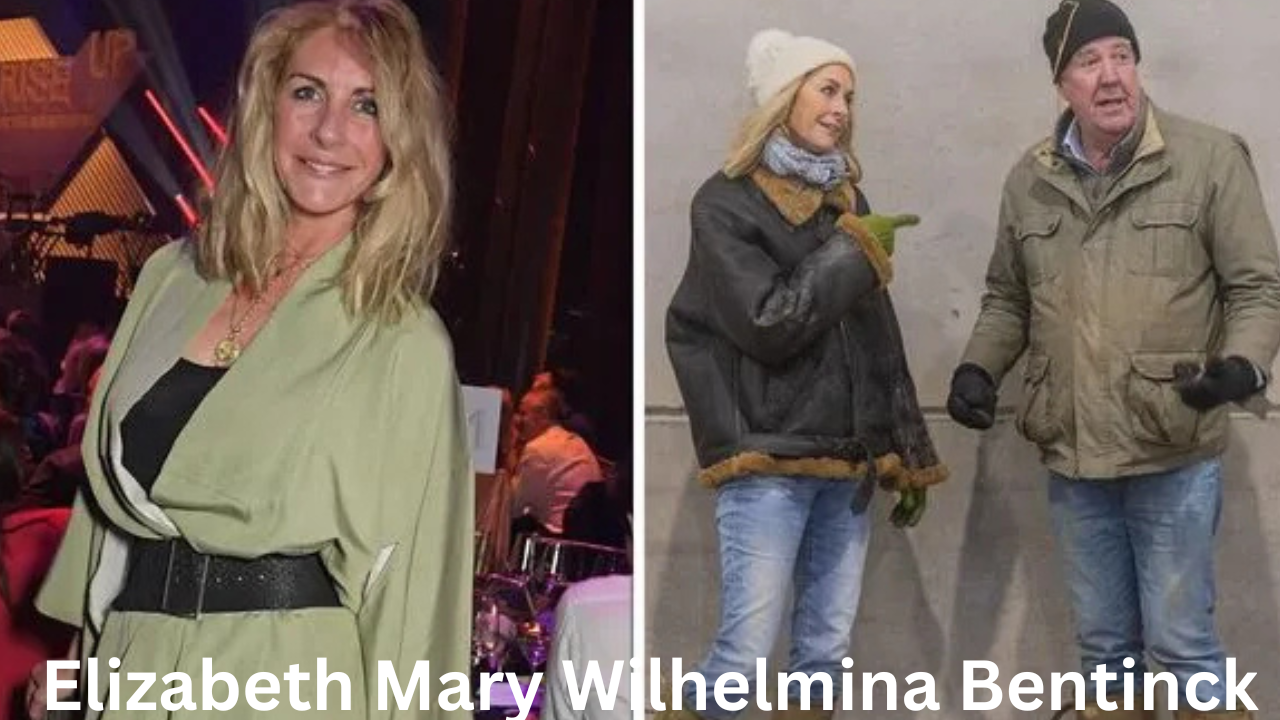
The name Elizabeth Mary Wilhelmina Bentinck carries an air of quiet nobility and historical intrigue. While not as widely discussed as some European aristocrats, her life sits at the intersection of heritage, influence, and the evolving identity of noble families in Europe. Exploring her story offers more than just biographical facts—it reveals how aristocratic legacies shaped culture, politics, and society.
Understanding Elizabeth Mary Wilhelmina Bentinck means stepping into a world where lineage mattered deeply, social roles were carefully defined, and influence often worked behind the scenes rather than in public view. This article breaks down her background, family connections, cultural relevance, and the broader historical framework that gives her story meaning
The Historical Background of Elizabeth Mary Wilhelmina Bentinck
To truly understand , it’s important to place her within the context of European aristocracy. She belonged to a lineage that carried prestige across generations, deeply connected to both Dutch and British nobility. Families like hers often played subtle yet significant roles in shaping political alliances and cultural developments.
The Bentinck family itself is historically notable, particularly through connections to figures like William Bentinck, a close advisor to William III of England. These ties highlight the enduring influence of the Bentinck name, stretching across borders and centuries. inherited this legacy, which shaped her identity and social standing.
Her life unfolded during a time when aristocratic roles were gradually shifting. While earlier centuries placed nobles at the center of political power, later periods saw them transitioning into cultural and social influencers. Elizabeth Mary Wilhelmina Bentinck’s story reflects this evolution.
Family Lineage and Noble Connections
The lineage of Elizabeth Mary Wilhelmina Bentinck is one of the most fascinating aspects of her life. Born into a distinguished aristocratic family, she was part of a network that extended across Europe. These connections were not merely symbolic—they often determined social opportunities, marriages, and influence.
Families like the Bentincks maintained their prominence through strategic alliances and a strong sense of identity. Elizabeth Mary Wilhelmina Bentinck was raised in an environment where heritage was both a privilege and a responsibility. Her upbringing would have emphasized tradition, etiquette, and the importance of maintaining the family’s reputation.
The interconnected nature of European nobility meant that individuals like Elizabeth Mary Wilhelmina Bentinck were rarely isolated figures. Instead, they were part of a broader tapestry that included royals, diplomats, and influential social figures. This network played a crucial role in shaping her life’s direction.
Early Life and Upbringing
Elizabeth Mary Wilhelmina Bentinck’s early life was likely marked by the structured and refined upbringing typical of aristocratic families. Education was not just about academic knowledge—it also included cultural refinement, language skills, and social etiquette.
Growing up in such an environment meant being exposed to art, literature, and history from a young age. These elements were essential in preparing individuals for their roles in high society. Elizabeth Mary Wilhelmina Bentinck would have developed a deep appreciation for culture, which often became a defining trait of aristocrats in her era.
Her upbringing also emphasized responsibility. Being part of a noble family meant representing its values at all times. This sense of duty often shaped personal decisions, from friendships to marriage.
The Role of Women in Aristocracy
Understanding Elizabeth Mary Wilhelmina Bentinck also involves examining the role of women in aristocratic society. Women in her position were expected to uphold family traditions, manage households, and contribute to social networks.
While they may not have held formal political power, their influence was significant. Social gatherings, charitable activities, and cultural patronage were areas where women like Elizabeth Mary Wilhelmina Bentinck could make an impact.
This dual role—both visible and behind the scenes—made aristocratic women key figures in maintaining social cohesion. Elizabeth Mary Wilhelmina Bentinck’s life reflects these expectations and the ways in which women navigated them.
Cultural Influence and Social Presence
Elizabeth Mary Wilhelmina Bentinck’s influence extended beyond her immediate family. Aristocrats often played a central role in shaping cultural trends, from fashion to art patronage.
Her social presence would have been marked by participation in gatherings, events, and possibly philanthropic activities. These engagements were not merely recreational—they were essential for maintaining social status and influence.
In many ways, individuals like Elizabeth Mary Wilhelmina Bentinck acted as cultural ambassadors. Their choices in art, literature, and social causes often set trends that others followed.
The Bentinck Legacy in European History
The legacy of the Bentinck family provides a broader context for understanding Elizabeth Mary Wilhelmina Bentinck. Over generations, the family contributed to political, cultural, and social developments in Europe.
Their influence can be seen in various historical events and institutions. This legacy added weight to Elizabeth Mary Wilhelmina Bentinck’s identity, as she carried forward a name associated with leadership and prestige.
Maintaining such a legacy required careful navigation of societal expectations. Elizabeth Mary Wilhelmina Bentinck’s life reflects this balance between tradition and adaptation.
Personal Life and Character
While historical records may not always provide detailed insights into her personality, it is possible to infer certain traits based on her background. Elizabeth Mary Wilhelmina Bentinck likely embodied qualities such as grace, intelligence, and a strong sense of duty.
Her personal life would have been shaped by both individual preferences and family expectations. This interplay often defined the experiences of aristocrats, creating a unique blend of personal and collective identity.
A quote that captures the essence of aristocratic life is:
“Heritage is not just inherited—it is lived through every choice and action.”
This idea resonates strongly with the life of Elizabeth Mary Wilhelmina Bentinck.
Historical Context and Changing Times
Elizabeth Mary Wilhelmina Bentinck lived during a period of transformation in Europe. The role of aristocracy was evolving, influenced by political changes, industrialization, and shifting social norms.
These changes required adaptability. Aristocrats had to redefine their roles while preserving their heritage. Elizabeth Mary Wilhelmina Bentinck’s life can be seen as part of this broader transition.
Understanding this context adds depth to her story, highlighting the challenges and opportunities faced by individuals in her position.
Influence on Modern Perspectives
Today, figures like Elizabeth Mary Wilhelmina Bentinck offer valuable insights into the history of aristocracy. Their lives help us understand how social structures have evolved and how traditions continue to influence modern society.
Her story also sheds light on the importance of cultural preservation. While the world has changed significantly, the values and traditions associated with aristocracy still hold relevance in certain contexts.
Elizabeth Mary Wilhelmina Bentinck’s legacy serves as a reminder of the enduring impact of history on contemporary life.
Why Elizabeth Mary Wilhelmina Bentinck Still Matters
You might wonder why Elizabeth Mary Wilhelmina Bentinck remains a topic of interest today. The answer lies in the broader themes her life প্রতিনিধates—heritage, identity, and the evolution of social roles.
Her story is not just about one individual but about an entire way of life. It offers a window into a world that continues to fascinate historians and readers alike.
By exploring her life, we gain a deeper appreciation for the complexities of history and the individuals who shaped it.
Frequently Asked Questions About Elizabeth Mary Wilhelmina Bentinck
Who was Elizabeth Mary Wilhelmina Bentinck?
Elizabeth Mary Wilhelmina Bentinck was a member of a distinguished European aristocratic family, known for her noble lineage and connection to influential historical figures.
What is the significance of Elizabeth Mary Wilhelmina Bentinck?
Elizabeth Mary Wilhelmina Bentinck is significant because her life reflects the cultural and social dynamics of European aristocracy, offering insights into heritage and tradition.
Was Elizabeth Mary Wilhelmina Bentinck involved in politics?
While there is no strong evidence of direct political involvement, Elizabeth Mary Wilhelmina Bentinck likely influenced social and cultural spheres, which were closely linked to political life in aristocratic circles.
What was the Bentinck family known for?
The Bentinck family is known for its historical influence in Europe, including political roles and connections to royalty, which shaped the legacy inherited by Elizabeth Mary Wilhelmina Bentinck.
Why is Elizabeth Mary Wilhelmina Bentinck still relevant today?
Elizabeth Mary Wilhelmina Bentinck remains relevant because her life helps us understand the evolution of aristocratic roles and the lasting impact of heritage on modern society.
Conclusion
Elizabeth Mary Wilhelmina Bentinck may not be a widely recognized name, but her story holds undeniable value. It represents a bridge between past and present, tradition and change. Through her life, we gain insight into the complexities of aristocracy and the enduring importance of heritage.
Her legacy is not defined by grand public achievements but by the quiet strength of tradition, influence, and cultural continuity. In a world that constantly evolves, stories like hers remind us of the roots that shape our present and future.
